
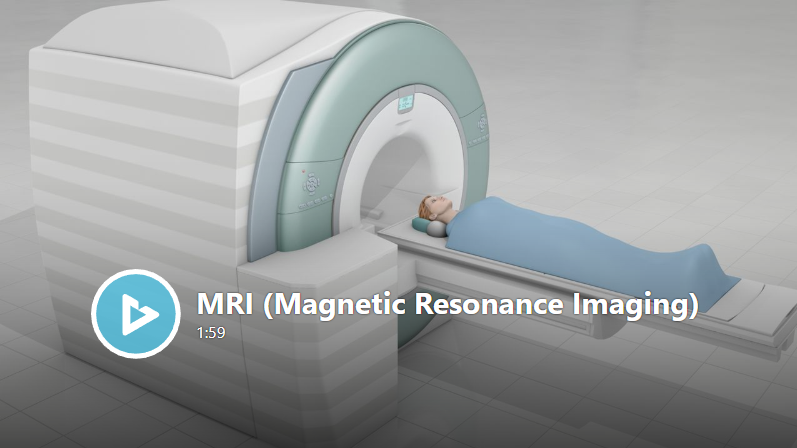
Why a physician might request an MRI?
After a cars accident or a slip and fall, your physical therapy provider must request an MRI to gain a clearer understanding of the severity and scope of the injuries, potentially guiding more effective treatment plans for the patient.
This is especially important if conservative treatments like physical therapy haven’t shown sufficient improvement after a few weeks, or if there are persistent symptoms like weakness, numbness, or tingling, which could indicate nerve or spinal cord damage.
MRIs provide detailed images of soft tissues, bones, and internal organs, helping pinpoint the exact location and nature of injuries, according to Sisimaging.com. This is crucial for developing a targeted treatment plan, as an inaccurate diagnosis can lead to ineffective or even harmful physical therapy.
Non igitur de improbo, sed de callido improbo quaerimus, qualis Q. Haeret in salebra. Aliter homines, aliter philosophos loqui putas oportere? Quod ea non occurrentia fingunt, vincunt Aristonem;
While physical therapy can address visible symptoms, MRIs can reveal internal damage, such as nerve compression, ligament tears, or spinal cord injuries, that might not be apparent from initial physical examination. MRIs area also important for ruling out conditions like traumatic brain injuries or brain bleeds. to rule out some more serious underline issues.
An MRI could provide information allows your medical provider to create a treatment plan specific to you and your injuries. Having the results of an MRI also enables medical providers to select the most appropriate type of treatment.