Medial Branch Block

Medial Branch Block
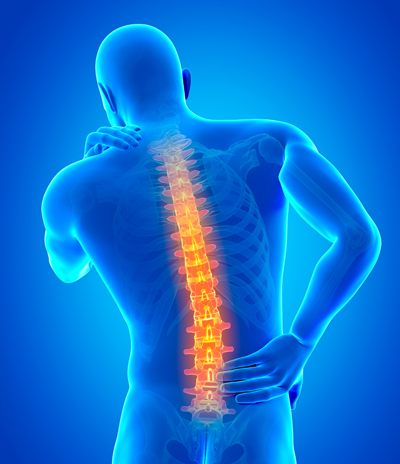
A medial branch nerve block is a minimally invasive diagnostic technique designed to pinpoint pain originating from the spine’s facet joints. These small joints, nestled between each vertebra, guide and stabilize spinal movement. When they become inflamed or irritated—due to arthritis, injury, or overuse—they can produce sharp, localized discomfort in the neck, mid-back, or lower back regions.
During the procedure, a physician injects a local anesthetic around the medial branch nerves, which carry pain signals from the facet joints. Guided by fluoroscopy or ultrasound, the numbing solution bathes these nerves, temporarily interrupting their ability to transmit pain.
If the targeted nerves are indeed the pain source, the block will bring noticeable relief for a short period—confirming the facet joints’ role in your symptoms. Beyond its diagnostic value, many patients experience sufficient symptom reduction to pursue physical therapy and other rehabilitative treatments more comfortably.
Here’s an overview of how the procedure is typically performed:
Preparation: Before the procedure, the patient may be asked to change into a hospital gown and lie face down on an examination table. Vital signs such as blood pressure, heart rate, and oxygen levels may be monitored throughout the procedure.
Sterilization: The skin over the targeted area is cleaned and sterilized with an antiseptic solution to reduce the risk of infection.
Anesthesia: A local anesthetic is administered to numb the skin and tissues around the injection site. This helps reduce discomfort during the procedure.
Needle insertion: Using fluoroscopic guidance (live X-ray imaging), the healthcare provider inserts a thin needle near the medial branch nerves that supply sensation to the facet joints. These nerves transmit pain signals from the facet joints to the brain.
Injection: Once the needle is correctly positioned, a mixture of local anesthetic and sometimes a steroid medication is injected around the medial branch nerves. The local anesthetic provides immediate pain relief, while the steroid helps reduce inflammation and provide longer-lasting relief.
Assessment: After the injection, the patient is typically monitored for a short period to evaluate the response. If the patient experiences significant pain relief following the injection, it suggests that the facet joints supplied by the targeted medial branch nerves are contributing to their pain.