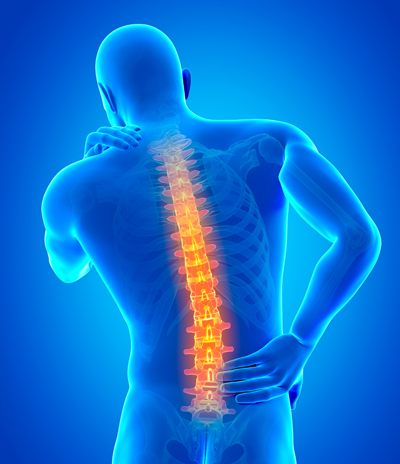
Pain Management
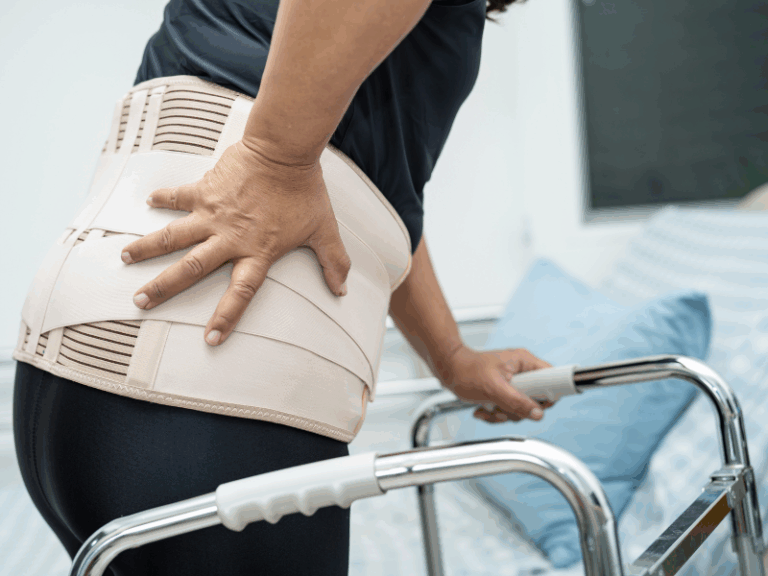

We provide Pain Management services
Pain Management is a specialized branch of medicine devoted to the evaluation, diagnosis, and treatment of both acute and chronic pain. Utilizing a multidisciplinary approach, pain management physicians work closely with patients to develop individualized care plans that not only target symptoms but also address underlying causes. By integrating physical rehabilitation and interventional procedures, these services aim to restore function, improve quality of life, and reduce reliance on long‐term medication use.
A wide array of medical conditions and injuries can benefit from pain management. Musculoskeletal disorders such as osteoarthritis, degenerative disc disease, and fibromyalgia often lead patients to seek these services. Neuropathic pain syndromes, post‐surgical pain and complex regional pain syndrome. Sports‐related injuries (e.g., tendonitis, bursitis, sprains) and trauma—from motor vehicle accidents to workplace mishaps—likewise respond favorably when treated by pain specialists.
Treatment modalities in pain management are diverse and tailored to each individual’s needs. Interventional techniques such as epidural steroid injections, facet joint blocks, nerve root injections, and radiofrequency ablation can target pain generators with precision.
Pain Management can be used to treat a wide range of medical conditions and injuries, including:
- Whiplash‐Associated Disorders: Strain or sprain of the cervical spine soft tissues, often leading to neck pain, stiffness, and headaches.
- Herniated or Bulging Discs: Sudden impact can compress intervertebral discs, causing nerve root irritation (radiculopathy) and radiating arm or leg pain.
- Spinal Fractures and Instability: Compression or burst fractures of vertebrae that may require bracing or surgical intervention.
- Soft-Tissue Contusions & Muscle Strains: Bruising and tearing of muscles (e.g. thoracic or lumbar paraspinals), leading to localized pain and limited range of motion.
- Peripheral Nerve Injuries: Compression or stretch injuries (e.g. brachial plexus traction) resulting in numbness, tingling, or weakness in the limbs.
- Hip and Pelvic Fractures: Particularly in older adults, falls onto the side often cause femoral neck or acetabular fractures with severe pain and mobility loss.
- Wrist and Forearm Fractures: Outstretching the hand to break a fall commonly leads to distal radius (Colles’) fractures.
- Ankle Sprains and Fractures: Twisting injuries to ligaments or bones around the ankle joint, causing instability and swelling.
- Lumbar Spine Compression Fractures: Falls from standing height can compress vertebral bodies, especially in osteoporotic patients, leading to acute back pain.
- Concussion and Traumatic Brain Injury (TBI): Even without skull fracture, rapid head movement against restraint systems can cause cognitive symptoms, dizziness, and persistent headaches.
- Soft-Tissue Injuries: Bruising (contusions), ligament tears (e.g. knee meniscus), and muscle strains in the back, hips, or shoulders.