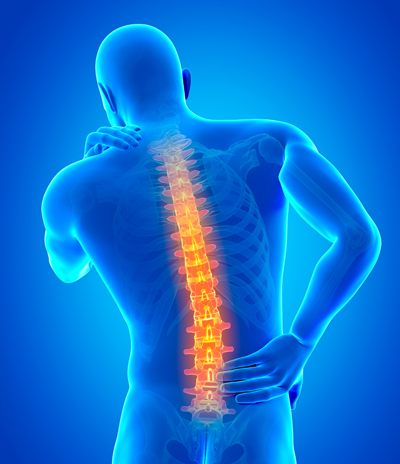
Laminectomy
Laminectomy
Laminectomy is a type of spinal surgery performed to relieve pressure on the spinal cord or nerves, usually caused by conditions like a herniated disc, spinal stenosis (narrowing of the spinal canal), or bone spurs. The procedure involves the removal of a small section of the lamina, which is the bony arch of the vertebra that covers the spinal cord and nerve roots.
Benefits of Laminectomy:
- Pain Relief: The primary benefit of a laminectomy is the relief of pressure on the spinal cord or nerves, which can result in a significant reduction of symptoms like leg pain, numbness, or weakness.
- Improved Mobility: Many patients experience better mobility and function after decompression of the spinal nerves.
- Quick Recovery: Since the procedure is minimally invasive (when compared to traditional spinal surgery), recovery times are usually faster.
Here’s an overview of how the procedure is typically performed:
1. Indications for Laminectomy:
Laminectomy is typically recommended when conservative treatments (like medication, physical therapy, and injections) fail to alleviate symptoms caused by:
- Spinal Stenosis: Narrowing of the spinal canal, which can compress the spinal cord or nerves.
- Herniated Disc: When the disc material protrudes and presses against nerves or the spinal cord.
- Bone Spurs (Osteophytes): Bony growths that can develop along the edges of vertebrae and press on nerves.
- Tumors or Infections: In rare cases, laminectomy may be performed to access and treat tumors or infections affecting the spine.
2. Procedure Overview:
- Anesthesia: The procedure is performed under general anesthesia, meaning the patient is asleep during the surgery.
- Incision: The surgeon makes a small incision in the skin, usually along the midline of the back, near the affected vertebrae.
- Muscle and Tissue Dissection: The muscles and soft tissues surrounding the spine are gently moved aside to expose the vertebrae.
- Removal of the Lamina: The surgeon carefully removes a portion of the lamina (the bony part of the vertebra) to access the spinal canal. This creates more space, reducing pressure on the spinal cord or nerve roots. In some cases, part of the disc material or bone spurs may also be removed if they are contributing to nerve compression.
- Decompression: The goal is to relieve any compression on the spinal cord or nerves. The surgeon may also remove other sources of pressure, such as thickened ligaments or damaged disc material.
- Closing the Incision: Once the decompression is complete, the surgeon closes the incision with sutures or staples, and the muscles and tissues are repositioned.